%20(1).png)
Landscaping
Sustainable Landscaping
May 21, 2021

.png)
Florida's warm, humid climate means your lawn never fully goes dormant the way northern grasses do, but it does slow down in winter. Come spring, warm-season grasses like St. Augustine, Zoysia, and Bermudagrass start waking up fast. That transition period (roughly February through April) is your best window to set the lawn up for a strong growing season. Here's our list of exactly what to do.
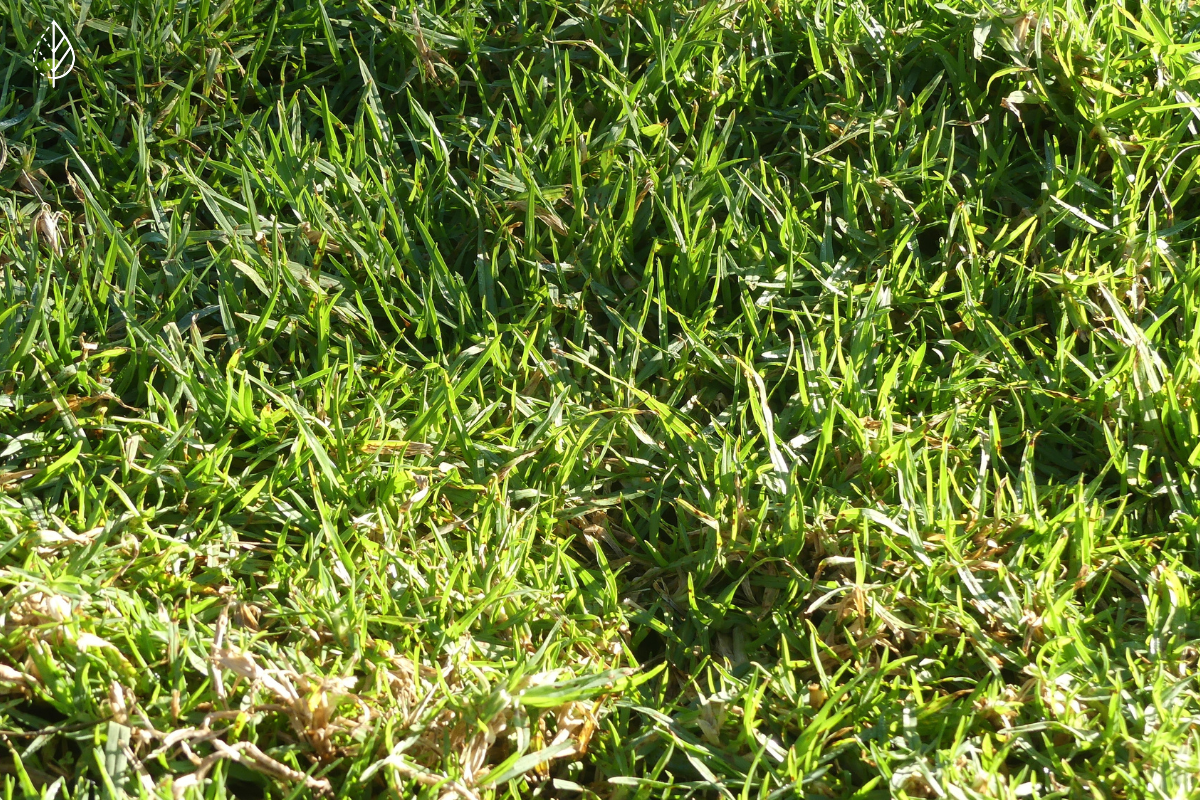
Before doing anything else, take a slow walk across your yard. Look for bare or patchy areas, signs of fungal disease (brown or yellow circular patches), compacted soil in high-traffic zones, and any areas where water may have pooled over winter. Note problem spots so you can address them specifically later in the process.
Run your fingers down through the grass to the soil surface. If the spongy layer of organic matter - known as thatch - is more than half an inch thick, plan to dethatch before growth picks up speed. In Florida, late spring is the ideal time to dethatch warm-season grasses like Bermuda and Zoysia, when the grass can recover quickly from the process. To learn more about this process, check out our blog on dethatching your lawn.
If your soil feels hard underfoot, especially in areas that see regular foot traffic, aeration will open it up so water, air, and nutrients can reach the roots. Core aeration is more effective than spike aeration, as it removes plugs of soil rather than simply pressing it down further. Leave the plugs on the surface; they'll break down naturally. Our blog on dethatching also discusses aerating your lawn.
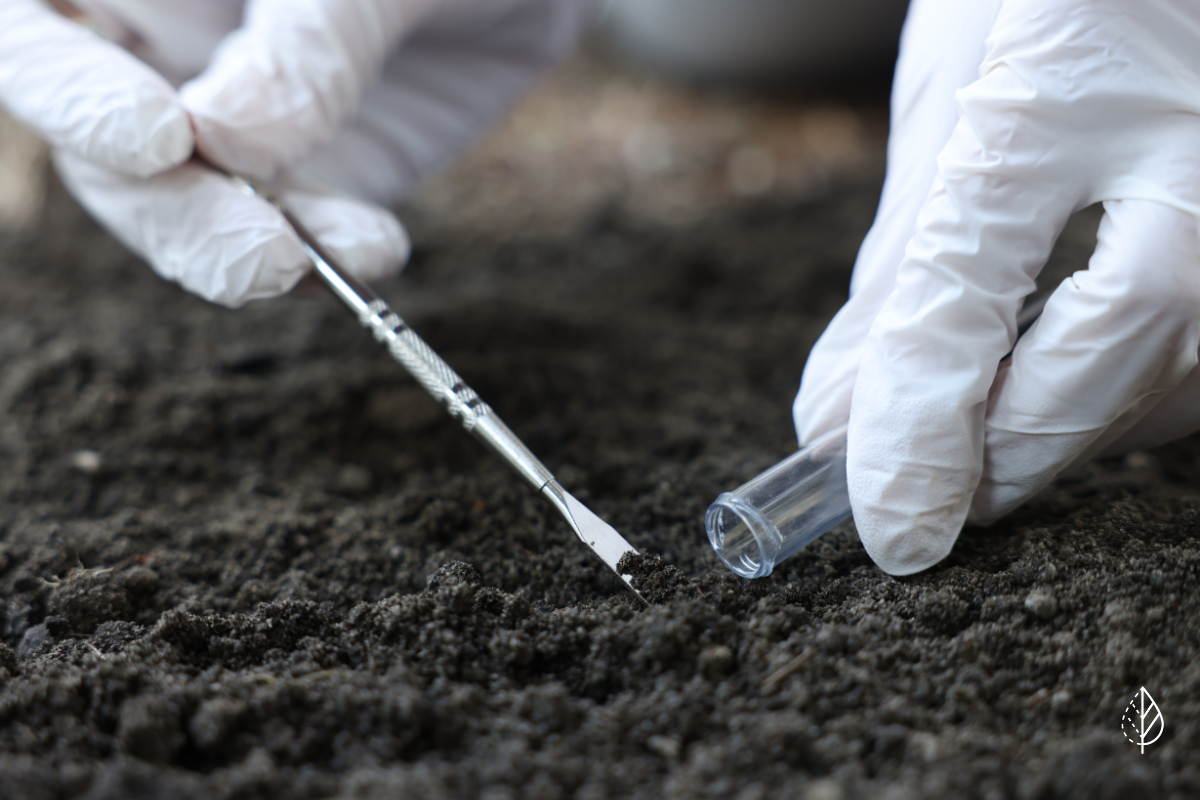
Florida soils are notoriously sandy and often acidic. A simple soil test (available through your county's IFAS extension office) will tell you your pH level and nutrient profile, so you can fertilize and amend with precision rather than guesswork. This is especially helpful if your lawn has had persistent problems with yellowing or poor growth. If your results point to deficiencies or pH imbalances, soil amendments can make a significant difference, which we're happy to help with.
One of the most common spring mistakes is fertilizing too early, before the grass has fully broken dormancy. In North Florida, wait until late March or April. Check your county's fertilizer blackout dates, as many Florida counties restrict fertilizer use during the rainy season to protect local waterways.
Winter can leave sprinkler heads cracked, clogged, or misaligned. Run each zone manually and watch for heads that aren't popping up fully, are spraying unevenly, or are watering pavement instead of grass. Spring is also a good time to adjust your watering schedule. Most Florida lawns need about half an inch to three-quarters of an inch of water twice per week during the growing season.
Spring is when weeds like dollarweed, crabgrass, and chamberbitter start establishing themselves. A pre-emergent herbicide applied in early spring can stop many weeds before they germinate. For weeds already visible, a targeted post-emergent treatment is more appropriate - just be sure to choose a product safe for your specific grass type.
Bare areas won't fill in on their own quickly enough to crowd out weeds. For warm-season grasses, laying sod plugs or small sod sections is the most reliable fix. Late spring (once soil temperatures are consistently warm) is the best time to install new sod in Florida, giving it a full growing season to establish before the heat of summer peaks.
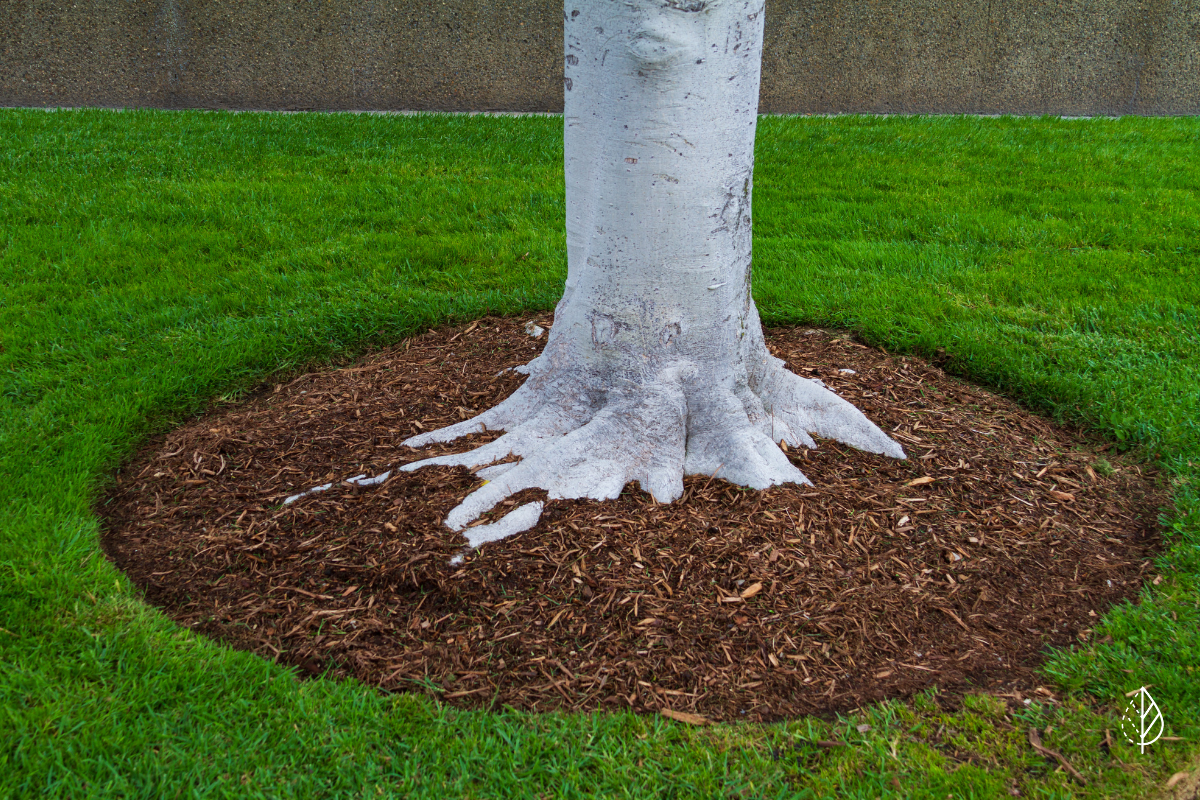
Top up mulch in planting beds to about 2–3 inches deep. Fresh mulch suppresses weed growth, retains moisture during Florida's dry spring months, and gives your landscape a clean, finished look. Avoid piling mulch directly against tree trunks or plant stems — leave a small gap to prevent rot and pest issues.
Spring prep isn't a one-day project - spread these tasks across a few weekends and tackle them in order. The payoff is a lawn that enters its peak growing season in the best possible condition, which means less remediation work come summer, and a yard you can actually enjoy! Or, if you'd prefer to leave it to the professionals, our team is here to help. From mulching and seasonal cleanups to complete landscape designs, we’re here to help you get your yard summer-ready. Reach out today to get started.
For small projects, large renovations, and maintenance agreements for homes and businesses of any size, we’re ready to do an excellent job for you.
%20(1).png)
%20(1).png)