
Landscaping
What are the different soil types - and why does it matter?
January 14, 2023

On job sites, in consultations, and yes, sometimes at dinner. But there's a real reason for it. The difference between a landscape built with Florida natives and one built without them becomes obvious after a few years in the ground.
In Gainesville, we're in USDA Zone 8b–9a: hot, humid summers, mild winters, and rainfall that swings between drought and flooding sometimes in the same month. Most plants sold at big-box stores aren't built for that. Native plants are. They evolved here and don't need you to recreate conditions that don't exist.
These are our favorites: the ones we keep coming back to because they perform, they're beautiful, and they make the yard better for everything living in it.

A mature live oak in North Florida is an ecosystem on its own - hosting birds, insects, mosses, and the kind of shade no hardscaping can replicate. They're slow to establish but essentially permanent once they are. If your property has one, design around it. If it doesn't, plant one where there's room to grow.

Longleaf pines spend several years building their root system before they take off vertically. Once they do, they're drought-tolerant, open-canopied, and genuinely striking. They're also a keystone species for one of the most biodiverse ecosystems in North America. For larger lots, they're worth the patience.

Smaller and more flexible than Southern Magnolia. Sweetbay is semi-evergreen, fragrant in late spring, and it plays well with other plants instead of crowding them out. It handles occasional wet feet, which makes it useful in low spots. Honestly, the smell alone is reason enough.

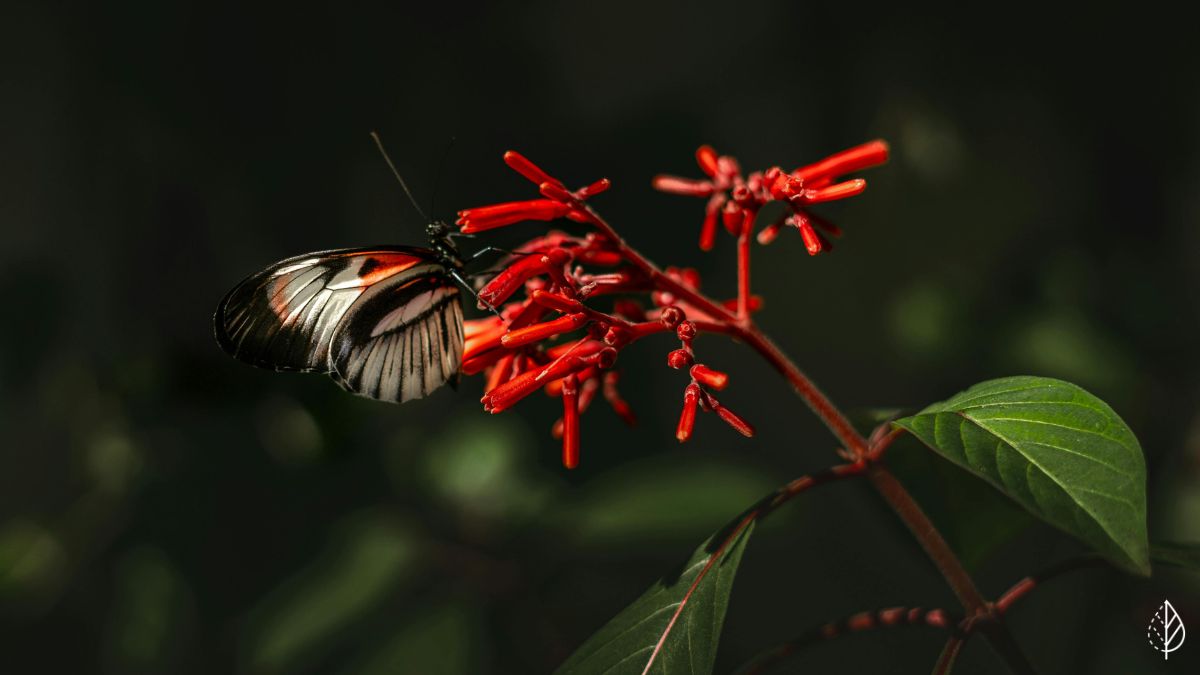
The firebush is a real all-star. It blooms almost year-round, handles the heat without complaint, and brings in hummingbirds and butterflies in numbers that will stop your neighbors in their tracks. Plant it in full sun and mostly leave it alone. It can get large, so give it space or plan for a seasonal cutback.
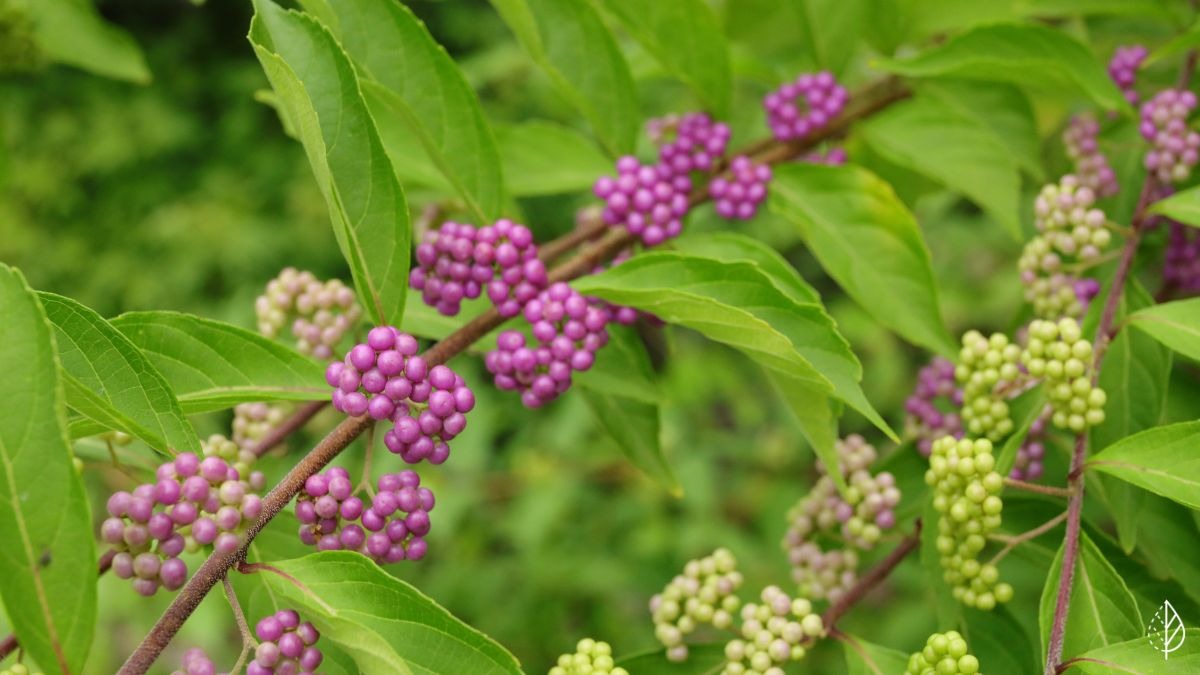
Beautyberry earns its name in the fall when clusters of vivid purple berries appear along every branch. The color looks almost fake - it's that saturated. It tolerates part shade, handles drought once established, and the berries feed more than 40 bird species through winter. It's perfect to use anywhere a pop of late-season color would help.
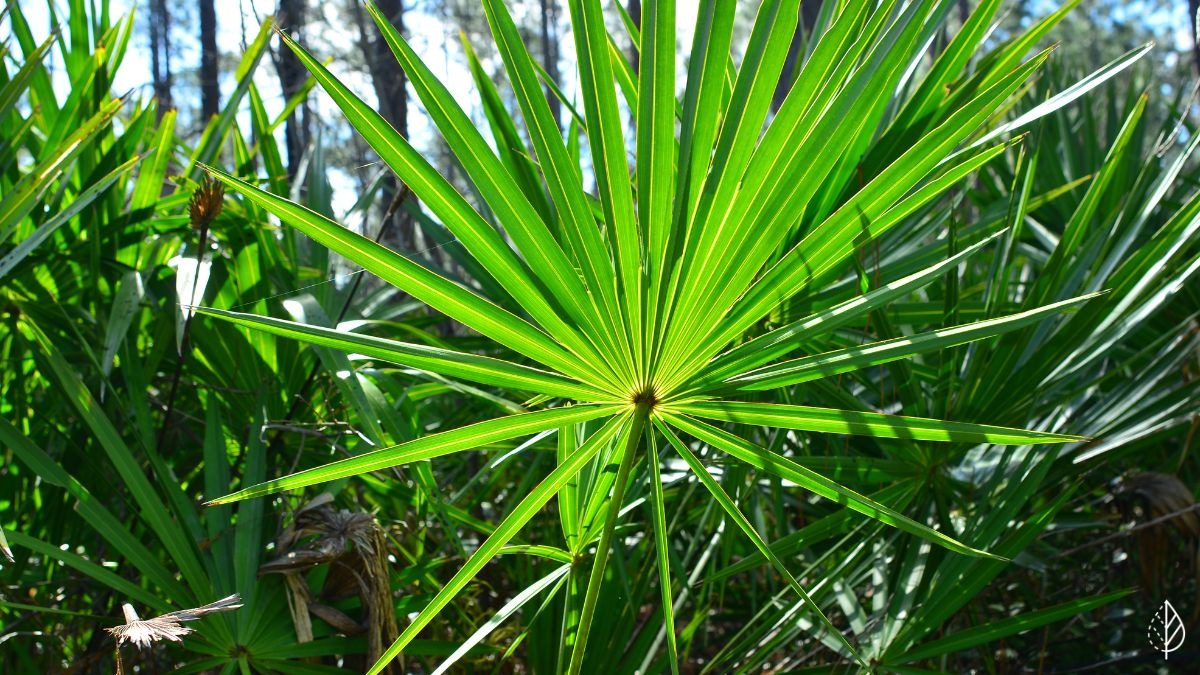
This is as Florida as it gets! Saw palmetto is one of the most drought-tolerant plants in the southeast and a critical habitat species for everything from black bears to scrub jays. Slow-growing, long-lived, and once it's in, it takes care of itself. We use it for low-maintenance screening, as a groundcover mass under pines, and as a structural anchor in larger beds. The silver-leaved form is especially good.

Tough, sun-loving, and in bloom for months at a stretch. The red-and-yellow flowers hold up through dry spells that knock out most everything else. A reliable edge plant.

Tall purple spikes in late summer that butterflies and bees go straight for. Good for vertical interest at the back of a border. The seed heads stick around into winter and feed birds.

The monarch butterfly's host plant - if you want to support pollinators, this is the plant. It handles wet spots, blooms in soft pink clusters, and gives your yard a role beyond just looking good.

A low, spreading groundcover with small pink pompom flowers from spring through fall. Great for areas that are hard to mow or where you want living coverage without irrigation.
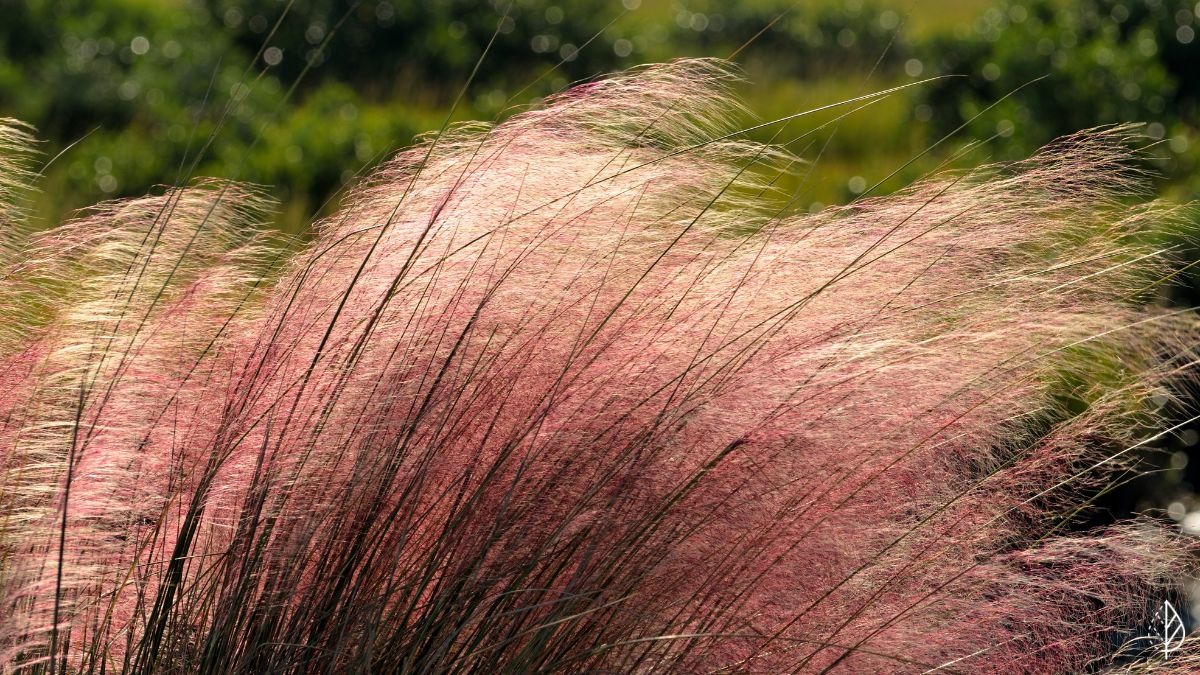
In October and November, muhly grass puts on a show. The fine-textured blades look good year-round, and then in fall the whole plant goes pink-purple in a way that photographs better than almost anything else we plant. We use it in masses along borders and driveways, especially in front of darker shrubs where the contrast really lands.

Bold, structural, and underused. Fakahatchee grows in tight clumps with a presence that imported ornamental grasses can't quite match. It handles both wet and dry extremes, tolerates part shade, and holds its form well year-round. Good when you need something that reads as a statement rather than a filler. Check out our blog on Fakahatchee Grass to learn more.
The best landscape gets easier every year: less irrigation, less intervention, more life. These plants are how you get there. They're not a compromise or an ecological guilt purchase, they're just the right plants for where we live.
Not sure which of these plants would work in your yard? Soil, sun, and drainage all affect what's right for a specific spot. We're happy to take a look. Reach out today to get started.
For small projects, large renovations, and maintenance agreements for homes and businesses of any size, we’re ready to do an excellent job for you.
%20(1).png)
%20(1).png)